

Businesses Turn to Private Security Guard Services Amid Rising Crime Concerns

armed guard._

guard services

private security guard services.

vehicle patrols
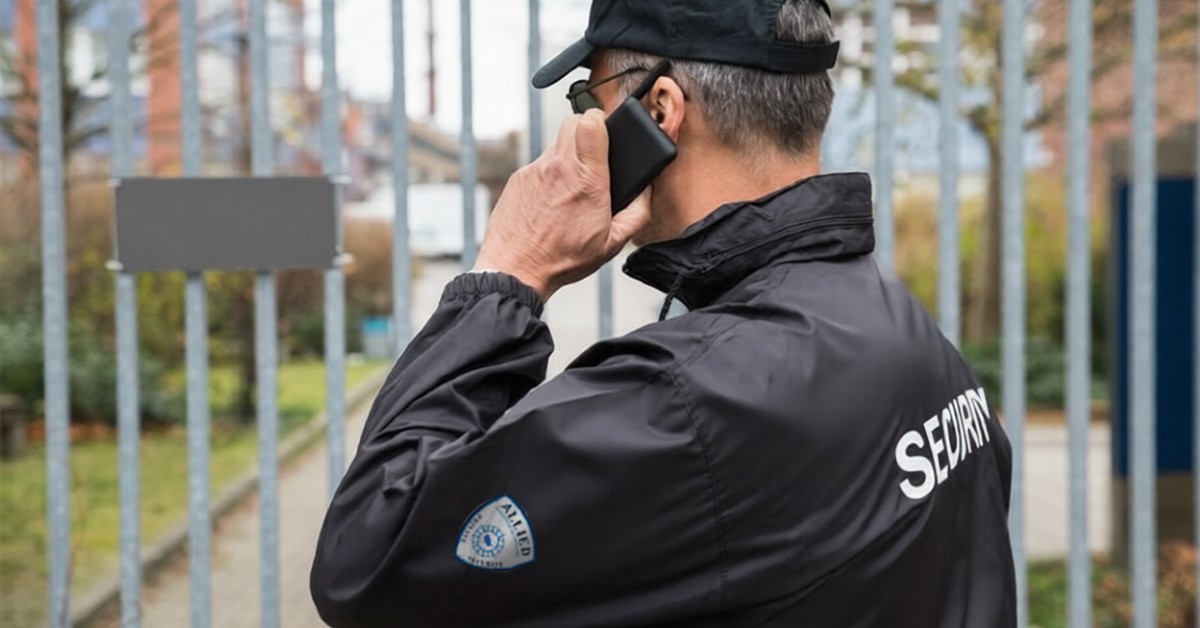
security guard services.
Southern California businesses are turning to security guard services to help protect people, property, and daily operations from security risks.
VAN NUYS, CA, UNITED STATES, August 17, 2026 /EINPresswire.com/ -- Businesses across Southern California continue to evaluate their security strategies as concerns about property crime, unauthorized access, vandalism, theft, and workplace safety influence operational planning. Organizations from a wide range of industries are reviewing physical security measures to support employees, visitors, customers, and business assets while maintaining day-to-day operations. As part of this process, many businesses are incorporating security guard services into broader security and risk management plans.Business leaders increasingly recognize that security planning is not limited to responding to incidents after they occur. Instead, many organizations are adopting preventive approaches that combine trained personnel, established security procedures, surveillance technology, and ongoing risk assessments. These measures are intended to reduce vulnerabilities while supporting safe and organized environments across commercial, industrial, residential, and mixed-use properties.
Security Remains an Important Part of Business Operations
Physical security continues to play a significant role in helping organizations manage daily operations. Office buildings, shopping centers, warehouses, manufacturing facilities, construction projects, healthcare facilities, educational institutions, apartment communities, and logistics centers each face different operational requirements that may benefit from dedicated security personnel.
Business owners and property managers frequently evaluate security needs when expanding operations, opening additional locations, hosting public events, or increasing customer traffic. Seasonal demand, construction activity, special projects, and after-hours operations may also influence decisions regarding on-site security.
Many organizations consider visible security personnel to be one component of a comprehensive security strategy. Security officers commonly perform routine patrols, observe activity throughout a property, monitor access points, verify visitor entry, prepare incident reports, and notify management or emergency responders when necessary. Their responsibilities generally follow site-specific procedures established in coordination with property owners or facility managers.
As organizations continue adapting to changing business conditions, many are placing greater emphasis on prevention, preparedness, and consistent security practices. Physical security programs are often reviewed alongside emergency planning, employee safety initiatives, and operational continuity planning to help reduce potential disruptions.
Businesses Seek Customized Security Solutions
Every organization operates under different circumstances, making flexibility an important consideration when developing security programs. Facilities that remain open around the clock may require continuous monitoring, while office buildings operating during regular business hours may need security personnel primarily during opening, closing, or visitor management periods.
Customized private security guard services allow businesses to adjust staffing levels, patrol schedules, and security procedures based on changing operational needs. Rather than applying identical security practices to every property, organizations frequently work with security providers to develop site-specific plans that reflect the characteristics of each location.
Security planning may include scheduled foot patrols, vehicle patrols, access control procedures, visitor registration, parking lot monitoring, perimeter inspections, incident documentation, and emergency response coordination. Depending on the nature of the property, security officers may also assist with monitoring contractor access, securing restricted areas, or supporting property management during maintenance projects and tenant activities.
Organizations with multiple facilities often require scalable security programs that can expand or contract as operational requirements change. Temporary assignments for construction projects, seasonal retail operations, special events, and business expansions are among the situations where additional security personnel may be utilized for defined periods.
Security Personnel Support Prevention Through Daily Presence
One of the primary functions of on-site security personnel is maintaining a visible and consistent presence throughout a property. While security officers cannot eliminate every potential risk, routine observation and regular patrols may assist organizations in identifying developing issues before they become larger operational concerns.
Security personnel routinely monitor entrances, exits, parking areas, loading docks, storage facilities, and common spaces according to established procedures. They also document observations, maintain activity logs, and report incidents through designated communication channels. Accurate documentation allows businesses to maintain records that may assist with internal reviews or operational planning.
Role of an Armed Guard in Higher Risk Environments
Security requirements differ considerably between industries and individual properties. While many facilities utilize unarmed security personnel, certain operational environments may require an armed guard based on documented risks, contractual obligations, insurance requirements, or applicable regulations.
Properties handling valuable inventory, sensitive materials, financial assets, or critical infrastructure may conduct formal security assessments before determining whether armed personnel are appropriate. The decision to deploy armed security is generally based on site-specific evaluations rather than serving as a standard practice for every location.
Security Services Continue Supporting Multiple Industries
The need for professional security extends across numerous industries with varying operational demands. Retail centers may require security personnel to monitor customer activity, support loss prevention procedures, and observe parking facilities. Industrial properties often prioritize perimeter security, access control, and equipment protection.
Construction sites frequently require security outside normal working hours to help monitor equipment, materials, and restricted work areas. Residential communities may seek security personnel to support controlled access, visitor management, and common area patrols. Healthcare facilities, educational campuses, hospitality venues, and corporate offices each present unique operational considerations that influence security planning.
As organizations continue adapting to evolving business conditions, many are reviewing their security strategies on a regular basis rather than only after operational changes or security incidents. Periodic assessments allow businesses to adjust staffing levels, update security procedures, and evaluate whether existing measures continue meeting organizational requirements.
Security Planning Begins with Risk Assessment
A structured security plan generally begins with a detailed assessment of the property and its operational requirements. Businesses often review factors such as building size, employee schedules, visitor traffic, parking areas, access points, lighting conditions, valuable assets, and previous security incidents before determining the level of protection that may be appropriate.
Risk assessments are commonly conducted when organizations relocate, expand operations, renovate facilities, or experience changes in staffing or business activity. They may also be reviewed periodically to ensure existing security procedures continue to meet operational needs. Rather than applying identical solutions to every property, organizations typically consider site-specific conditions when selecting security measures.
Following an assessment, businesses may establish security protocols that outline patrol schedules, emergency response procedures, reporting requirements, communication channels, and access control processes. These procedures help create consistency while allowing security personnel to respond according to established guidelines.
Technology and On-Site Security Often Work Together
Advancements in security technology have expanded the tools available to businesses seeking to protect their facilities. Video surveillance systems, electronic access control, alarm monitoring, motion detection systems, and remote monitoring platforms are widely used across commercial and industrial properties.
While technology provides valuable information, many organizations continue to recognize the importance of trained personnel who can assess situations in real time. Security officers may respond to alarms, investigate unusual activity observed through surveillance systems, verify authorized access, and communicate directly with property management or emergency responders when necessary.
Many businesses view technology and physical security as complementary rather than competing solutions. Cameras can document activity, access control systems can regulate entry, and alarm systems can notify designated personnel of potential concerns. Security officers can then evaluate the situation on site, follow established procedures, and document observations as required.
Training and Professional Standards Remain Key Considerations
Professional security services generally rely on personnel who understand both security procedures and the responsibilities associated with working in public and private environments. Training commonly includes observation techniques, patrol procedures, report writing, emergency response, communication skills, conflict de-escalation, customer interaction, and legal responsibilities.
Licensing requirements vary according to state regulations and the nature of assigned duties. Security companies are generally responsible for ensuring personnel meet applicable licensing standards before performing security assignments. Continuing education and periodic refresher training may also be incorporated to help officers remain informed about changing regulations and industry practices.
Background screening is another important consideration for organizations selecting a security provider. Many businesses seek providers that conduct employment verification, background checks, and other screening procedures as permitted by law before assigning personnel to client locations.
Flexibility Supports Different Operational Requirements
Organizations often require different levels of security depending on the time of day, season, or nature of business activities. Retail centers may require additional coverage during holidays or promotional events. Construction sites may need overnight monitoring while equipment remains on the property. Office buildings may focus on visitor management during business hours and perimeter patrols after closing.
Manufacturing facilities frequently operate multiple shifts, requiring security coverage outside traditional business hours. Residential communities may prioritize access management, parking enforcement, and common area patrols. Distribution centers often emphasize loading dock monitoring, vehicle access verification, and inventory protection.
Security as Part of Business Continuity Planning
Business continuity planning extends beyond disaster recovery and emergency response. Many organizations incorporate physical security into broader continuity strategies intended to reduce operational disruptions and support the safety of employees, customers, contractors, and visitors.
Security personnel may assist with implementing emergency procedures, securing facilities during unexpected events, coordinating access during evacuations, and maintaining communication with designated management representatives. Their responsibilities are generally defined by established site procedures and organizational policies.
Continued Focus on Security Across Industries
The use of professional security personnel continues to evolve alongside changes in business operations and property management practices. Organizations increasingly review security programs as part of ongoing operational planning rather than only in response to isolated incidents.
Industry professionals note that security planning is most effective when it reflects the specific characteristics of each facility, incorporates regular communication between clients and security providers, and adapts to changing operational requirements. Periodic reviews, documented procedures, and trained personnel continue to support organizations seeking practical approaches to physical security.
As commercial properties, residential communities, industrial facilities, healthcare organizations, educational institutions, hospitality businesses, and construction projects continue operating in changing environments, many are expected to maintain a focus on security planning as part of responsible facility management. The continued use of security guard services, reflects the broader emphasis on preparedness, operational efficiency, and the protection of people and property.
About Allied Nationwide Security
Allied Nationwide Security is a security guard company serving Southern California with unarmed and armed security officers for commercial, industrial, and residential clients. The company works with organizations of varying sizes and develops security plans based on each client's operational requirements and property characteristics.
To support service quality, Allied Nationwide Security requires its personnel to complete training programs and background checks before assignments. The company also works closely with clients to review security needs, evaluate existing procedures, and monitor service performance on an ongoing basis.
Allied Nationwide Security provides security guard services throughout Los Angeles County, Orange County, Riverside County, Ventura County, and San Bernardino County. Its services include both unarmed and armed security personnel, with assignments tailored to meet the needs of individual properties while complying with applicable state regulations.
A J Nomair
Allied Nationwide Security
+1 800-955-8417
contact@alliednationwide.com
Visit us on social media:
Facebook
YouTube
Best Security Guard Company In Southern California | Allied Nationwide
Legal Disclaimer:
EIN Presswire provides this news content "as is" without warranty of any kind. We do not accept any responsibility or liability for the accuracy, content, images, videos, licenses, completeness, legality, or reliability of the information contained in this article. If you have any complaints or copyright issues related to this article, kindly contact the author above.
